Is It Possible for Someone to Write a Podcast Review on Spotify
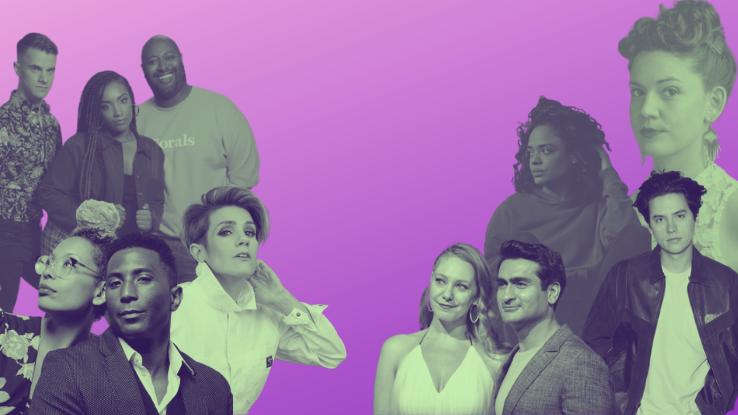
Due to the ongoing COVID-19 pandemic, many of usa have been at home a lot more than often, and that'due south meant finding ways to work, connect and entertain ourselves, largely with the assist of screens. In the wake of Zoom happy hours and Netflix marathon after marathon, you lot probably took a much-needed screen suspension — and, if yous're anything like us, that meant you queued upward some podcasts. From immersive sound dramas and pop civilization-focused comedy pods to incisive cultural critiques, insightful interviews and tiptop-notch investigative journalism, these podcasts not just stood out in a year full of content, but they also helped us weather an incredibly challenging and isolating twelvemonth.
Editor's Note: we've compiled a listing of the 10 podcasts that got us through 2021.
one. Code Switch
"The fearless conversations about race that you've been waiting for" is how NPR describes its popular podcast, Code Switch. Although the hosts of Code Switch have spent years interrogating race and how it impacts everything from pop culture to history, the podcast reached a few pregnant milestones just this year. That is, the testify striking No. 1 on Apple's charts, and, in June, there was a 270% surge in downloads.
For co-host Shereen Marisol Meraji, who leads the podcast aslope Gene Demby, the success was conflicting considering information technology came in the wake of the murders of George Floyd, Breonna Taylor and Ahmaud Arbery. On the whole, withal, Meraji, Demby and the prove's rotating contributors are glad that the show has resonated — and reached such a wide audience. "Nosotros're talking to people who have been marginalized and underrepresented for so long," Meraji notes, "[people] who are so hungry to see themselves represented fully and with dash and complication."
Without a uncertainty, Lawmaking Switch is ever-relevant, funny and educational, but it besides provides access to stories the mainstream media might not usually cover — told by folks who accept lived those experiences. Now, it'southward up to listeners to go along supporting Lawmaking Switch, to go along against oppression and racism — non but when information technology'southward trending on Apple tree'due south charts.
What practice the 1839 bump-off of a Cherokee leader and a 1999 murder example have in common? For one, they're the "backbone" of a "2020 Supreme Court conclusion that determined the fate of five tribes and nearly half the land in Oklahoma." It'due south probable that you lot only heard about this monumental case and its ties to native country rights and tribal sovereignty once SCOTUS reached its verdict earlier this year, but getting the full moving-picture show is essential to agreement merely how landmark the ruling is for Indigenous folks.
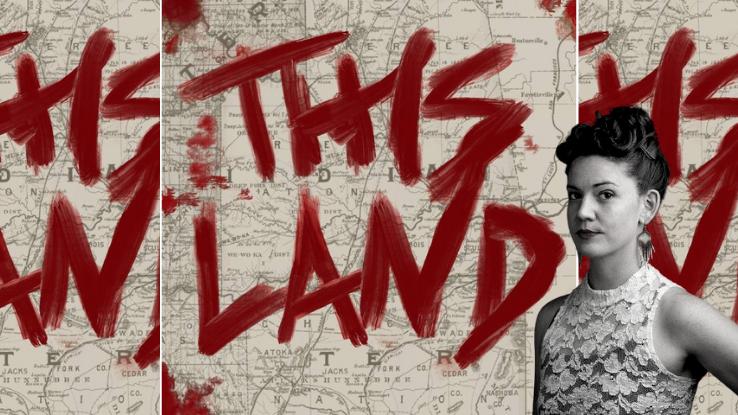
"Our sovereignty is boxed in through the creation of reservations," This Country host Rebecca Nagle, an Oklahoma journalist and denizen of the Cherokee Nation, told Outside. "But the U.S. doesn't even respect that box." If you've been paying attention, and then you'll remember that the July 2020 SCOTUS ruling led to the largest restoration of tribal state in the history of the U.S. However, knowing the outcome of the case isn't enough: With This Country, listeners can delve deeper into specific events, and the ways they intersect, in lodge to larn but how much continues to be at stake when it comes to tribal sovereignty and the larger Land Back movement.
iii. Queery
Hosted by queer standup comic Cameron Esposito, Queery allows listeners to sit in on hr-long conversations between Esposito and her interviewees. What connects Esposito'south guests is that (with a few exceptions) they are all role of the LGBTQ+ customs, meaning that identity, queerness, gender and other topics are prioritized and explored with much more than nuance and intimacy than a straight host could manage. Up top, Esposito notes that the show is "nearly individual experience and personal identity," which means one guest's particular feel of queerness — or the language they utilise — might not always align with yours.
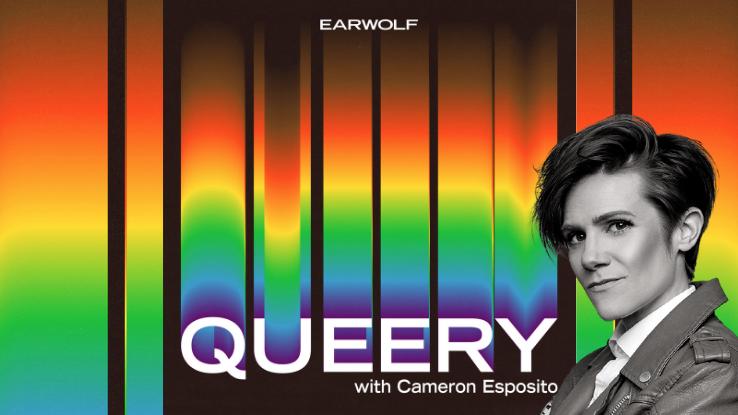
In that vein, Queery feels like media that was created for queer folx — every bit opposed to something like the Queer Eye reboot, which feels like it was made to be both palatable and accessible for directly/cis viewers. There's a time and place for both approaches, and centering not just queer guests, but also queer listeners, is refreshing — and necessary. For Esposito, the podcast was a mode to "[reinvest] in the queer community," and while we dearest her humorous takes and tangents, we also love the way she's leveraging her platform and resources as a white and cis queer person to dilate the stories and voices of queer and trans folx.
4. Keep It
If there'south one podcast that mixes incisive political and cultural commentary with pop civilization references and always-Tweet-able quotes, it'south Go on Information technology, a show started a few years ago by writer Ira Madison III. Flood Magazine describes the origin of the podcast'due south title best, noting that it's "named after a cheeky phrase Ira coined with his biggy Twitter presence, always in reference to some picture, book, collab, political candidate, act of bogus wokeness, or anything, really, that he simply doesn't accept time for and would rather not exist." Honestly, same.
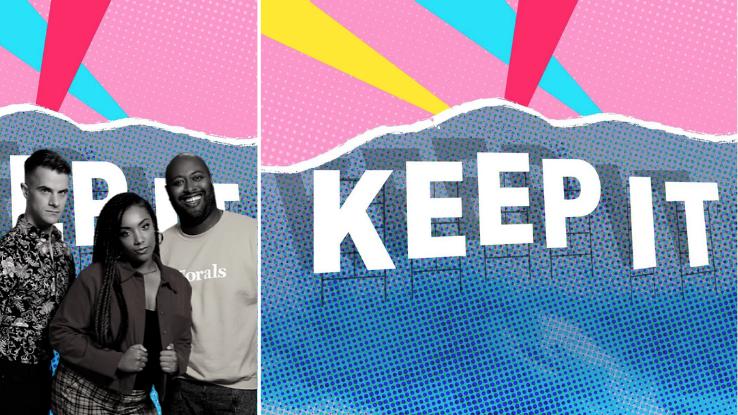
What really elevates Keep Information technology is the conversational free energy its charismatic, witty — and consistently laugh-out-loud funny — hosts bring to each episode. Joining Madison are popular civilization-, Oscars- and Karen Carpenter-enthusiast Louis Virtel and Large Mouth author Aida Osman, who but celebrated a year on the podcast. The chemistry, the bickering, the stanning, the lovable tangents — this show has it all. In fact, Keep It is unequivocally our favorite weekly podcast from Crooked Media — and, yes, keep that, Lovett or Leave It.
v. Nice White Parents
"I don't remember I'll be forgetting the first episode of Squeamish White Parents someday presently," Nicholas Quah wrote in a review for Vulture. That's quite the introduction to the New York Times and Serial collaboration, but information technology's also not hyperbole. Hosted and reported past This American Life vet Chana Joffe-Walt, Nice White Parents shines a spotlight on the "60-year relationship betwixt white parents and the public school down the cake."
The thesis at hand? That even well-meaning white parents are preventing "school integration and a more equitable distribution of resource." Quah elaborates, writing that Joffe-Walt "substantiates your gut feeling with vivid documentation, giving flesh to what was previously skeletal suspicion." That is, if you think you know, dig deeper — acquire more about how this ultimately oppressive and unequal system operates. In the cease, information technology's white people, particularly wealthy and directly and cis white people, who benefit the most from maintaing the arrangement that's in place — and those are the aforementioned people who need to listen to this podcast the most.
six. Dorsum Outcome
New York Times writer Sandra East. Garcia called the Back Issue hosts' "encyclopedic memory of pop culture moments…a balm in trying times." Each episode, hosts Tracy Clayton, all-time known for hosting Netflix'due south Strong Black Legends, and Josh Gwynn, a Pineapple Street Studios producer, have a look at some of the biggest badgering questions that crop up in pop culture history. For them, it's all about investigating why sure moments stick — or why sure words, trends and moments became so pop — because "nostalgia is more than just a feeling."
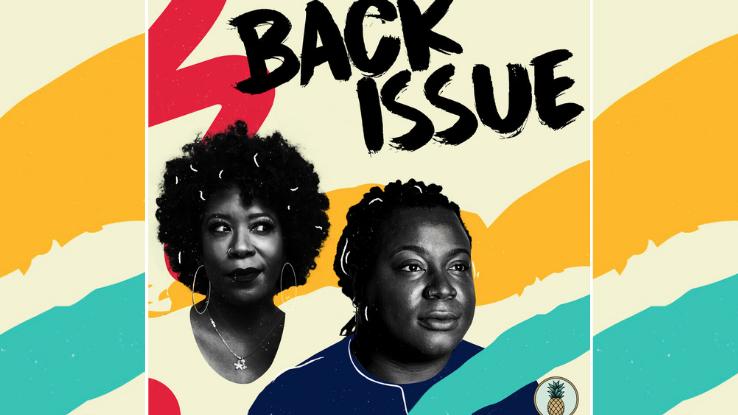
In addition to the hosts' clear chemical science and a slate of peachy guests, Back Issue stands out because, unlike other pop culture podcasts, it never centers a discussion on current entertainment offerings. Speaking to Garcia about the podcast's focus on cornball pop culture versus new releases, Gwynn noted that "There is a reason these moments stuck with us and why they are and so fundamental." In many means, pop culture shapes us, only information technology can as well have the same calming event as a hot loving cup of tea. And that kind of comfort was invaluable during a challenging twelvemonth like 2020.
7. Beautiful Anonymous
Hosted past Chris Gethard, Beautiful Bearding takes everything you once loved — or, mayhap, could've loved — about a late-dark talk radio evidence and updates it for podcast listeners. The concept is straightforward, but also genius. Guests call into the show, and Gethard is obligated to stay on the phone with them for an hour and conversation near whatever comes up. The caller, on the other paw, can hang upwards at any time — though they generally don't.
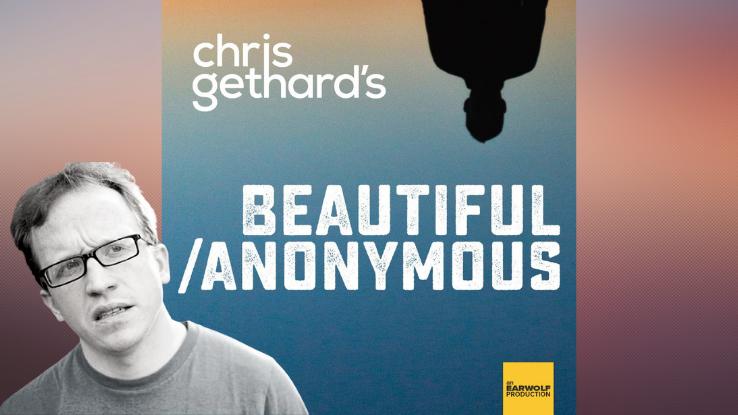
Since callers don't reveal their names or other identifying information, things stay anonymous, which ways callers oft get quite vulnerable and share otherwise difficult or uncomfortable experiences, feelings, opinions and confessions with Gethard. While Gethard's standup grooming equips him with some great on-the-spot comedy chops, he's also such a compelling host when it comes to discussing the heavier stuff, besides. In his own special, Career Suicide, Gethard discussed his experiences of depression, death past suicide attempts and alcoholism, and, mayhap because of his own lived experiences, the ever-caring Gethard actually reaches callers (and listeners) in a poignant way old-school radio hosts only dreamed of.
8. The Left Right Game
This year, the QCode media commonage has released several incredible audio dramas, but one of the best is The Left Right Game, which was written by Jack Anderson, produced past its star Tessa Thompson and based off of a story post on Reddit's r/nosleep. For those who don't know, every story posted on r/nosleep is considered truthful, even if it'south fictional, so if you annotate on said story, the subreddit's gimmick is that y'all play along and stay in character. All of this has led to the rise of a kind of internet-based urban-legend-meets-campfire-horror-story genre. And let's only say information technology works amazingly well in podcast form.
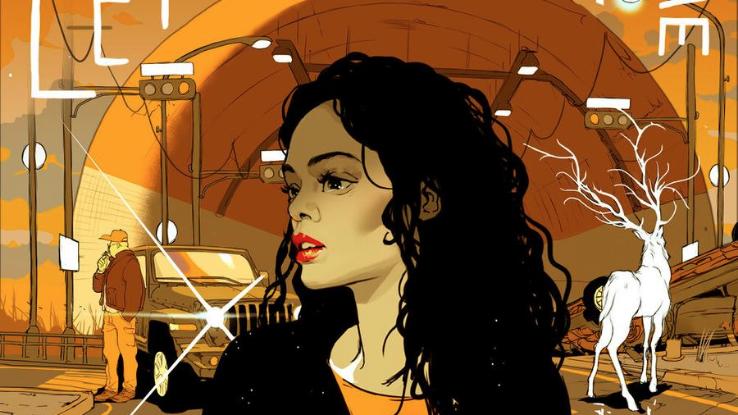
The podcast centers on two different, merely interrelated, stories. In one thread, a man named Tom (Aml Ameen) is searching for a announcer named Alice Sharman (Thompson); no i seems to believe that she exists — and Tom is the simply 1 who seems to remember her. Meanwhile, seemingly a little while before the kickoff of Tom'south story, Alice heads to the U.Southward. to investigate a strange phenomenon chosen The Left Right Game. The game, which but involves going for a bulldoze and taking a left turn and so a right turn and and then a left and so on, takes a paranormal turn. The audio drama is made all the more than unsettling thanks to QCode's use of sound panning to create an incredibly immersive, environs sound experience.
ix. Staying In With Emily and Kumail
Unsurprisingly, the pandemic acquired some podcasters to take a break from weekly uploads, but, for others, existence stuck at habitation meant finding new creative outlets and means to connect. Married couple Emily Five. Gordon and Kumail Nanjiani definitely fell into the 2nd category of creatives, and their short-lived Staying In podcast brought us so much joy. The commencement episode, fittingly titled "Fumbling for Normalcy," was released on the heels of early pandemic phenomena, like Tiger Male monarch, and saw the duo discussing how to keep from catching cabin fever while sheltering in place.
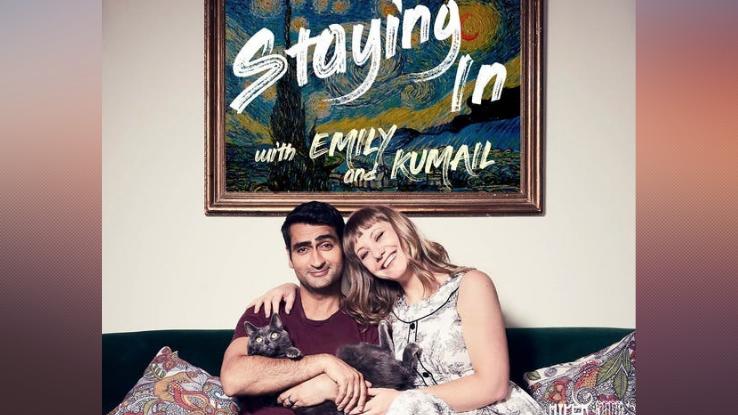
Lighthearted enough to have your mind off of all the stressful COVID-nineteen stuff just existent and vulnerable enough to feel like a 18-carat boost (unlike, say, the infamous celeb "Imagine" video), listening to Emily and Kumail on a weekly ground felt like connecting with pals. From discussing a thrilling Final Fantasy VII Remake playthrough to reminiscing about bursting into tears while blistering bread, no stone was left untouched. The bottom line: This i was incredibly relatable, and information technology all helped us feel a little less alone during that first moment of irrevocable change.
10. The Bechdel Bandage
Named after cartoonist Alison Bechdel, the Bechdel test is a fashion to measure the representation of women in fiction. Although Bechdel credits her friend Liz Wallace and the writings of Virginia Woolf with the idea for the exam, it commencement appeared in the cartoonist'south seminal work Dykes to Lookout man Out For (1985). The basic idea? In order to pass the exam, 2 women must talk to each other about something other than a man. Ideally, the 2 women should also have names, because the bar is admittedly on the floor.
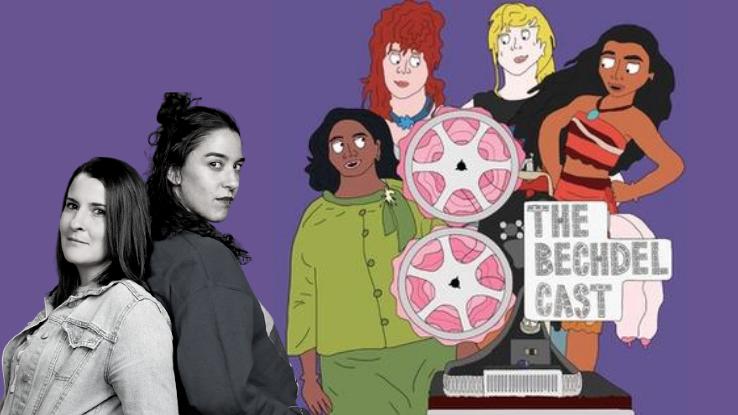
If those sound similar easy requirements to hit, call up over again. Of viii,076 movies surveyed only 57.6% striking all the marks. And that's where something like the The Bechdel Bandage comes in. Hosted past comedians Caitlin Durante and Jamie Loftus, the feminist one-act podcast takes a expect at a different moving-picture show each week and delves into its depiction of women — among other things (and long-running in-jokes). "[Information technology's] the symbiosis between Durante's scholastic, organized mind and Loftus's filthy, absurdist one that accept kept afloat this dizzy-salty testify…," Vulture's Sean Malin writes. "[…From] its inception [the bear witness] has earnestly considered the representation of women in motion picture while also talking sh-t well-nigh it."
eleven. Hysteria
Some other Kleptomaniacal Media gem, Hysteria is a weekly podcast that sees political commentator and comedy author Erin Ryan — and her "bicoastal squad of funny, opinionated women," including folks similar Ziwe Fumudoh and Alyssa Mastromonaco — taking on politics, electric current events and pop civilisation happenings. Without a doubt, Hysteria shines in a sea of political, news-centric podcasts. Why? Well, writing for Cosmopolitan well-nigh the prove, Hannah Smothers notes, "The smartest thing Kleptomaniacal Media's male founders take done: hire and so many women and permit them do their thing."
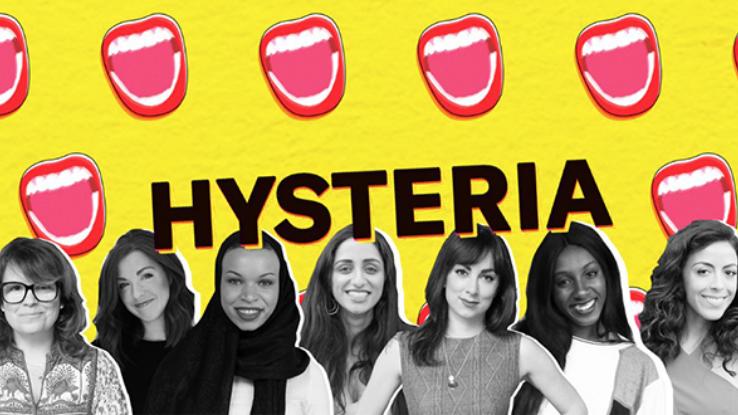
Aye, that seems obvious, simply, at the time when the show first launched, Crooked didn't really have any women-helmed podcasts. And whether Hysteria is centering on trending news stories or rom-com tropes, the host and her colleagues are looking at topics that impact women and filtering them through their own lived experiences. "It'due south not about impressing the people you're having a conversation with if you lot're doing a podcast," Ryan explained in that Cosmo article. "I really wanted Hysteria to exist a show that made our listeners think that talking well-nigh politics was something they tin and should be doing, even if they're not professional political-opinion-havers."
12. Still Processing
Nevertheless Processing is a New York Times civilization podcast that's hosted by Jenna Wortham, staff author for The New York Times Magazine and co-editor of Black Futures, and Pulitzer Prize-winning Times critic-at-large Wesley Morris. Formatted every bit a discussion between the co-hosts — and often punctuated by interviews, guests' insight and soundbites from media — However Processing takes on everything from current events to works of art and pop civilization, and it does so with a tone The Atlantic called "sharp and intellectual, goofy and raw."
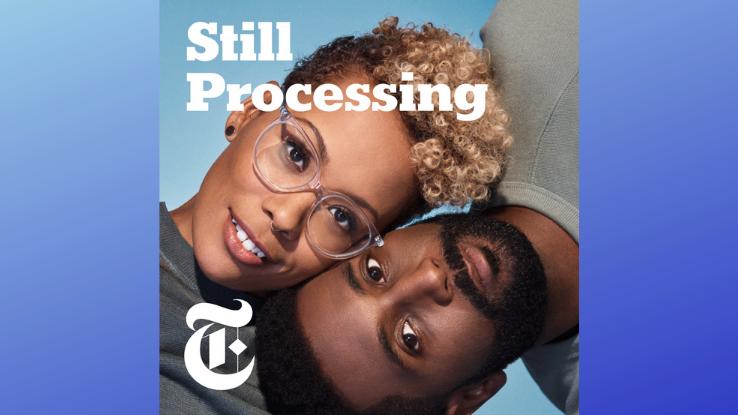
Whether the hosts are putting Toni Morrison'south Dear and Jordan Peele'due south Us (2019) into conversation or interrogating how works of dystopian and utopian fiction can aid u.s. imagine a better world, Wortham and Morris have a comfortable, energizing chemistry. Equally they go excited about where their chat leads, you feel that, also. "Perhaps at present more than ever," Thomas Curry writes in AnOther magazine, "Still Processing'southward return, with Morris and Wortham'southward alloy of familiar intimacy and incisive criticism, is a welcome comfort."
13. Borrasca
Relatively new to the scene, QCode's narrative dramas are often produced, in role, past a big-proper name star, and Borrasca is no exception. Here, Riverdale'due south Cole Sprouse plays Sam Walker, a man who, after years of personal struggle and keeping things pent up, tells his parole officer, Leah Dixon (Lisa Edelstein), about a disturbing series of events that occurred in his childhood after his family unit moved to the small town of Drisking, Missouri. Each episode begins and ends with a session betwixt Sam and Leah, simply sandwiched in between are flashbacks that highlight key moments in Sam's past.
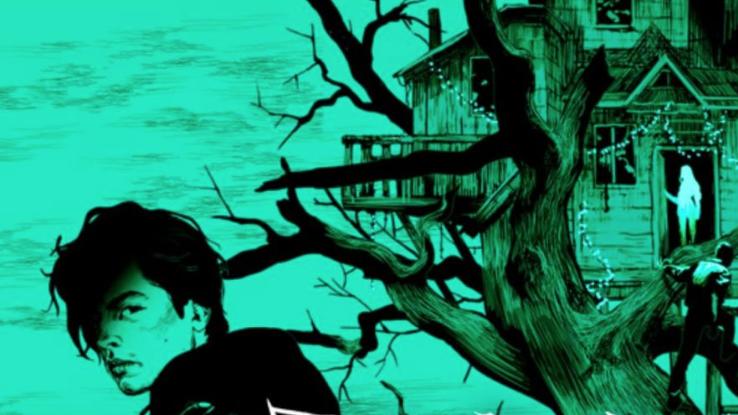
In the first episode, a young Sam befriends two other Drisking kids, Kyle (Daniel Webber) and Kimber (Sarah Yarkin). While on a cycle ride, a horrifying sound known as the "Borrasca Scream" tears through the woods. Kyle and Kimber explain that no one knows the origins of the scream — information technology'south merely something that happens — and, in its aftermath, the older teens in town throw a Borrasca political party at a creepy treehouse in the woods. Sam finds his earth upended when his own sis, Whitney (Peyton Kennedy), vanishes at one of these parties. Although his parents choose to believe that Whitney simply ran away, Sam is convinced that something more nefarious is going on — and that it connects to Borrasca, this identify of legend.
Written by Rebecca Klingel, this horror podcast started equally a multi-role short story that Klingel (a.k.a. CK Walker) posted on Reddit'south r/nosleep community, where it won the subreddit's award for Scariest Story in 2015. Pro tip: As is the case with The Left Right Game, definitely listen to this dark, disturbing and all-consuming audio drama with headphones — the sound design is unparalleled and only adds to the immersive atmosphere.
sandovalyestioured.blogspot.com
Source: https://www.ask.com/entertainment/podcasts-2020?utm_content=params%3Ao%3D740004%26ad%3DdirN%26qo%3DserpIndex
0 Response to "Is It Possible for Someone to Write a Podcast Review on Spotify"
Post a Comment